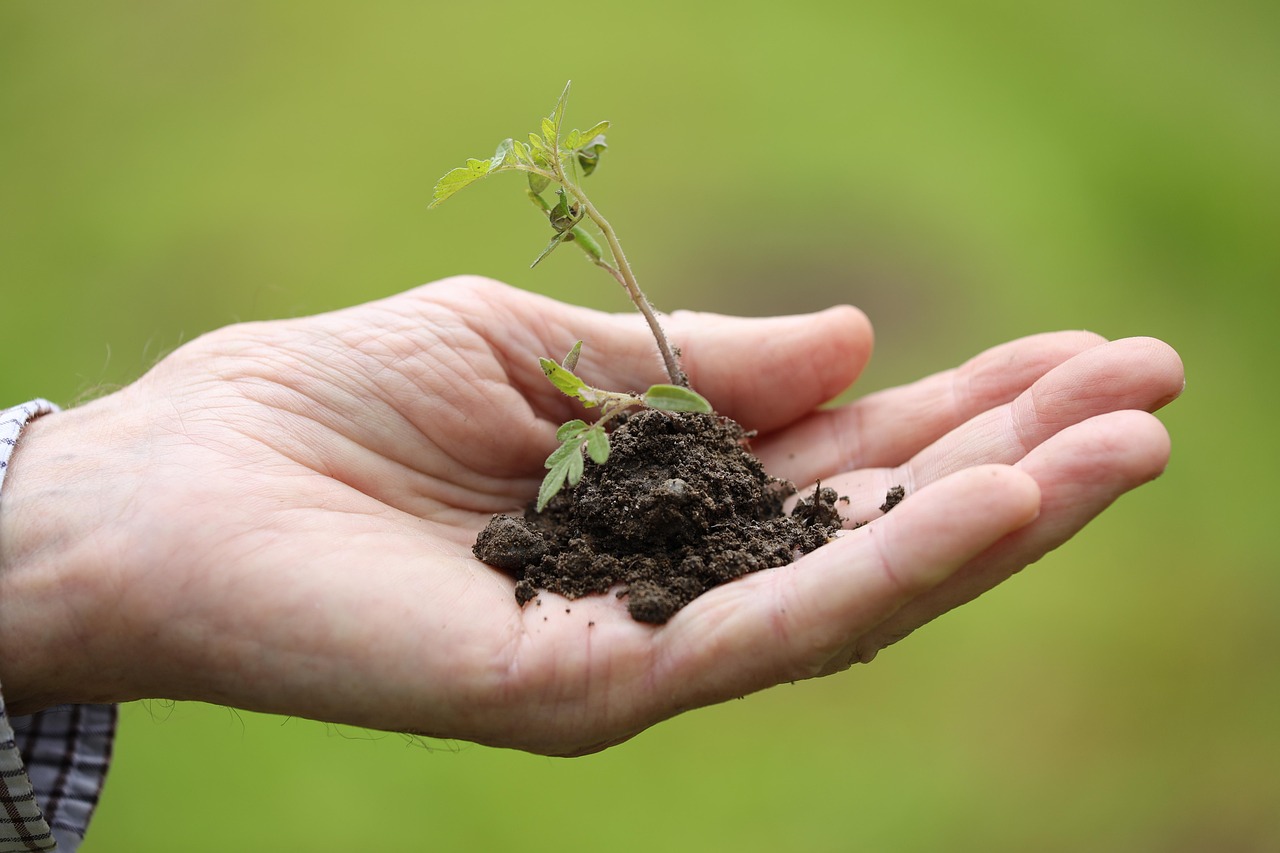
Organic gardening is a journey of patience, discovery, and connection with the natural world. My first year as an organic gardener was filled with triumphs, setbacks, and invaluable lessons that deepened my appreciation for sustainable growing practices. From battling pests without chemicals to learning the art of composting, I navigated the ups and downs of cultivating a thriving garden while staying true to organic principles. Here, I share the most significant lessons I learned during my inaugural year, hoping to inspire and guide new gardeners embarking on their own organic adventures.
Embracing the Learning Curve
When I started my organic garden, I was armed with enthusiasm but little practical knowledge. I imagined rows of perfect vegetables and vibrant flowers, unaware of the challenges ahead. The first lesson was clear: organic gardening is a skill that demands patience and a willingness to learn from mistakes. Unlike conventional gardening, which often relies on synthetic fertilizers and pesticides, organic gardening requires understanding the ecosystem you’re nurturing. I quickly learned that success doesn’t come overnight—it’s a process of trial, error, and adaptation.
My initial attempt at growing tomatoes was a humbling experience. I planted seedlings too early in the spring, unaware of the last frost date in my region. The plants suffered, and I lost half of them to a late cold snap. This taught me the importance of researching local climate conditions and planting schedules. Resources like the USDA Hardiness Zone Map and local extension services became my go-to guides. By aligning my planting with nature’s rhythm, I saw better results in later batches of tomatoes and other crops.
Soil Is the Foundation of Success
One of the most profound lessons was that healthy soil is the backbone of an organic garden. I started with depleted, clay-heavy soil that struggled to support robust plant growth. Instead of turning to chemical fertilizers, I dove into the world of organic soil amendments. Composting became my cornerstone practice. I began collecting kitchen scraps—vegetable peels, coffee grounds, and eggshells—and combined them with yard waste like grass clippings and leaves. Over months, this mix transformed into rich, dark compost that revitalized my soil.
I also learned about the power of cover crops, such as clover and hairy vetch, which I planted in the off-season to fix nitrogen and improve soil structure. Testing my soil’s pH and nutrient levels was another game-changer. A simple soil test kit revealed that my garden was low in phosphorus, which explained why some plants struggled to flower or fruit. By adding organic amendments like bone meal and rock phosphate, I addressed these deficiencies naturally.
The takeaway? Invest time in building healthy soil. It’s not a one-time task but an ongoing commitment. Healthy soil supports strong plants that are better equipped to resist pests and diseases, reducing the need for interventions.
The Pest and Disease Challenge
Organic gardening means saying no to synthetic pesticides, which forces you to get creative with pest and disease management. My first encounters with aphids and powdery mildew were frustrating. I initially panicked, thinking my crops were doomed. However, I discovered that nature often provides solutions if you know where to look.
Introducing beneficial insects was a revelation. Ladybugs and lacewings became my allies, naturally controlling aphid populations. I planted companion plants like marigolds and nasturtiums, which deter pests with their strong scents. For diseases like powdery mildew, I learned to improve air circulation by spacing plants properly and pruning excess foliage. A homemade spray of water, baking soda, and a drop of dish soap also helped keep fungal issues at bay.
Crop rotation was another critical lesson. I made the mistake of planting tomatoes in the same spot for two consecutive seasons, which led to a buildup of soil-borne pathogens. Rotating crops—moving tomatoes to a new bed and replacing them with beans or lettuce—helped break the cycle of disease. Keeping a garden journal to track what I planted where made this process easier.
The biggest takeaway from pest and disease management was prevention over reaction. Healthy plants, diverse plantings, and vigilant monitoring reduced problems before they escalated. I also accepted that some losses are inevitable—organic gardening is about working with nature, not dominating it.
Water Wisely, Conserve Resources
Water management was another area where I learned by doing. Early on, I overwatered my plants, assuming more water meant better growth. This led to root rot in some crops and wasted a precious resource. I quickly realized that organic gardening is as much about sustainability as it is about growing food.
Installing a drip irrigation system was a game-changer. It delivered water directly to the roots, reducing waste and keeping foliage dry to prevent fungal diseases. I also mulched heavily with straw and wood chips to retain soil moisture and suppress weeds. Collecting rainwater in barrels allowed me to water my garden during dry spells without relying on municipal water, aligning with organic principles of resource conservation.
Timing also mattered. Watering early in the morning allowed plants to absorb moisture before the sun evaporated it, while evening watering often left plants damp overnight, inviting disease. By observing my plants’ needs and adjusting my approach, I found a balance that kept my garden thriving without overtaxing local water resources.
The Joy and Challenge of Composting
Composting was both a highlight and a learning curve. I started with a simple backyard bin, layering “green” materials (like vegetable scraps and grass clippings) with “brown” materials (like dried leaves and cardboard). The process seemed straightforward, but my first pile took months to break down because I didn’t balance the carbon-to-nitrogen ratio properly.
Turning the compost regularly and ensuring proper aeration sped up decomposition. I also learned to avoid adding meat, dairy, or oily foods, which attracted rodents and created odors. By the end of the year, I had a steady supply of “black gold” that enriched my soil without costing a dime. Composting taught me that organic gardening is a closed-loop system—what comes from the earth can return to it, creating a cycle of abundance.
Biodiversity Is Your Friend
Monoculture—planting a single crop in large quantities—might look tidy, but it’s a recipe for trouble in an organic garden. I learned this the hard way when a patch of zucchini was decimated by squash bugs. Planting a diverse mix of crops not only reduced pest pressure but also made my garden more resilient.
Polyculture, or interplanting different species, became my strategy. For example, I grew beans alongside corn, using the corn stalks as natural trellises while the beans fixed nitrogen in the soil. Flowers like cosmos and zinnias attracted pollinators, boosting fruit set in crops like tomatoes and cucumbers. This diversity created a vibrant ecosystem where plants supported each other, mimicking natural systems.
I also embraced native plants, which thrived with minimal care and attracted local wildlife. Watching bees, butterflies, and birds flock to my garden was one of the year’s greatest joys. It reinforced that organic gardening isn’t just about food—it’s about fostering life in all its forms.
Time Management and Realistic Expectations
Organic gardening demands time and planning, and I underestimated both in my first year. I started with an overly ambitious plot, planting more than I could manage. Weeds took over neglected corners, and some crops bolted or wilted because I couldn’t keep up with harvesting and maintenance.
I learned to start small and scale up gradually. A few well-tended beds produced more than a sprawling, neglected garden. I also discovered the value of succession planting—sowing crops like lettuce and radishes every few weeks to ensure a continuous harvest. Creating a seasonal calendar helped me stay on top of tasks like sowing, transplanting, and composting.
Setting realistic expectations was equally important. Not every seed will germinate, and not every plant will thrive. Accepting imperfection allowed me to focus on progress rather than perfection. Each small success—a ripe tomato, a thriving herb patch—built my confidence and kept me motivated.
Community and Knowledge Sharing
Gardening can feel solitary, but I quickly learned the value of community. Local gardening groups, online forums, and neighbors with green thumbs became invaluable resources. They shared seeds, offered advice on pest control, and taught me about heirloom varieties suited to my region. In return, I shared my surplus harvests, fostering connections that enriched my experience.
Books and podcasts also expanded my knowledge. Titles like The Vegetable Gardener’s Bible by Edward C. Smith and podcasts like “The Organic Gardening Podcast” provided practical tips and inspiration. Engaging with the broader gardening community reminded me that organic gardening is a shared journey, with wisdom passed down through generations.
The Rewards of Organic Gardening
By the end of my first year, my garden wasn’t perfect, but it was productive and alive. I harvested baskets of tomatoes, zucchini, kale, and herbs, all grown without synthetic chemicals. The flavors were unmatched—nothing compares to a sun-warmed cherry tomato plucked fresh from the vine. Beyond the harvest, the garden gave me a sense of purpose and connection to the earth.
Organic gardening taught me resilience, patience, and humility. It showed me that mistakes are opportunities to learn and that nature rewards those who work in harmony with it. Whether you’re growing a single pot of herbs or a sprawling vegetable patch, the principles of organic gardening—care for the soil, respect for nature, and a willingness to learn—can transform your relationship with food and the environment.
Practical Tips for New Organic Gardeners
If you’re starting your own organic garden, here are some key takeaways from my experience:
- Start with a plan: Research your climate, soil, and crops before planting. Know your frost dates and choose varieties suited to your region.
- Build your soil: Invest in composting and organic amendments. Test your soil to understand its needs.
- Embrace diversity: Plant a mix of crops and flowers to support pollinators and deter pests.
- Be proactive about pests: Use companion planting, beneficial insects, and natural remedies to manage challenges.
- Conserve water: Use mulch, drip irrigation, and rainwater collection to water efficiently.
- Keep a journal: Track what you plant, when, and where to learn from successes and mistakes.
- Stay connected: Join gardening communities to share knowledge and resources.
- Be patient: Organic gardening is a journey. Celebrate small victories and learn from setbacks.
Looking Ahead
As I prepare for my second year, I’m excited to apply these lessons and experiment with new techniques, like vermicomposting and vertical gardening. My first year showed me that organic gardening is more than a hobby—it’s a way of life that fosters sustainability, health, and joy. If you’re considering starting your own organic garden, know that the challenges are worth the rewards. With curiosity and care, you’ll cultivate not just plants, but a deeper connection to the world around you.